In Niagara, should I wait until spring to list my house instead of selling in winter?
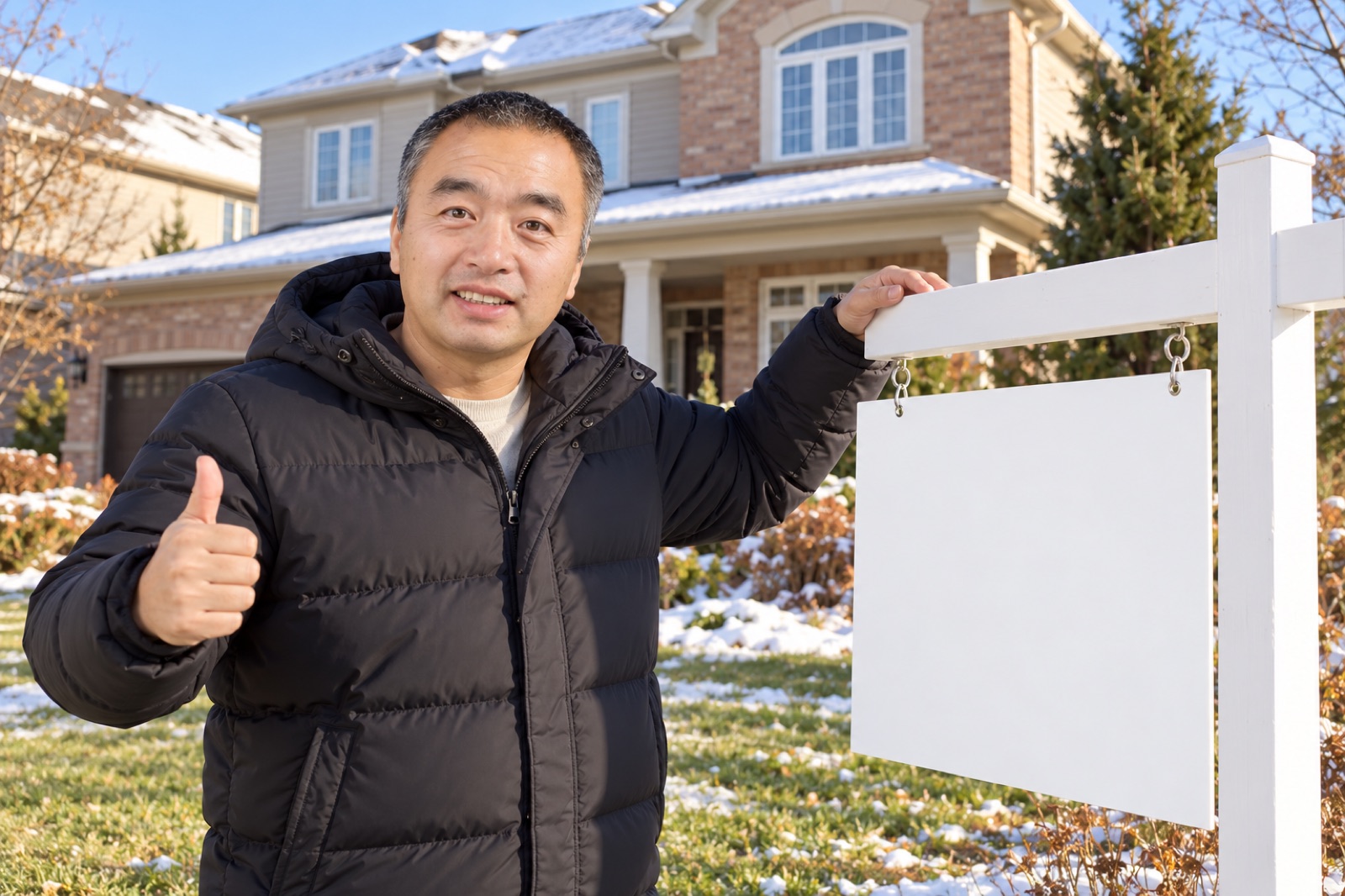
Why it isn't the whole winter
A lot of sellers in Niagara and the Greater Toronto Area start second-guessing in October and November. It's getting cold, the snow is coming, who's going to come out to see a house? Might as well wait and list in the spring.
Yifei has worked as a realtor in the GTA and Niagara for 11 years. His take: winter being slow doesn't mean the whole winter is slow, and it isn't all of December either, the way many people assume. There's still a wave before December 20. Things stop once the 20th passes and only gradually pick up again around mid-January. He checks this every year.
Fewer people go to showings in winter, but most of the ones who still come out in the cold are serious buyers. Spring brings more buyers, and also more listings, so your house gets compared against more competition.
Which situation are you in
- Listed for a month or two with no sale, thinking about pulling it until spring: hold off. Stay on the market until December 20, and if you want a break, take only that month. If you take it off and relist, the days on market start over, but in Yifei's experience buyer agents can still see that the home was listed before and that the price was reduced. It doesn't get you a fresh start.
- Not listed yet, planning to sell this winter: if the house can be ready before December 20, don't wait. If it can't, use the slow weeks for decluttering, repairs and photos, and list after mid-January.
- Not moving until next summer anyway: no rush. Go by your own moving date.
- The house has a major problem, or it's priced well above similar homes nearby: it will be hard to sell in winter or in spring. That isn't about the season. Take another look at the house and the price.
What to do
- Start with the calendar: how long until December 20, and can the house be ready to hit the market before then?
- If someone books a showing in winter, don't brush it off or say no. A buyer who is still willing to come out in winter is someone you want; shutting the door just pushes them away.
- If you really want to pull the listing, take out your listing agreement and check three things: the expiry date, the terms for ending it early, and the holdover clause. RECO, Ontario's real estate regulator, says the expiry date has to be clearly shown on the first page of the agreement, and there's no standard length for a listing agreement. Most agreements include a holdover clause. It protects the brokerage and can mean you still owe money after the agreement expires, and there's no minimum or fixed holdover period, so settle it before you sign. Commission is negotiated between you and the brokerage. If you're not sure how a clause applies to you, ask a lawyer.
What Yifei has seen
From November 20 to December 3, 2025, Yifei says he was closing a deal almost every day. His explanation: that's the window when people feel it's a good time to buy, and every year they have homes sell around Christmas.
He has seen the opposite too. This year he told one seller in July to list. The seller wanted to take the family on vacation first and deal with it afterward, so the house didn't go on the market until September, and by September the market had changed. As Yifei puts it, what that seller missed wasn't two months. It was the season.
Ask about your own situation
Whether your home is in Niagara or the GTA, how long it's been listed, and which month you plan to move: those three things decide whether you should list, pull the listing, or wait. To ask about your own situation, reach out to Yifei (RE/MAX, efay.ai).
Sources
- RECO, Signing a contract with a real estate brokerage: https://www.reco.on.ca/consumers/things-you-need-to-know/signing-a-contract-with-a-real-estate-brokerage/