


Viewing a house in Niagara this winter with a fireplace or wood stove: what should I check?
Swipe for the 1 minute answer
Insurers often ask, and each one is different. Without it, you may have to stop using it, pay more, or be refused coverage.
- 01Mortar and a cap on the chimney
- 02Water stains around the chimney inside
- 03Heavy creosote or a smoke smell
Ontario's Fire Code: homes with a fireplace need CO alarms next to each sleeping area and on every storey.
In 2022 the buyer planned on it for backup heat. Fixing or converting to gas was pricey. Counting on a fireplace? Check before you offer.
Yifei's rule of thumb: 200 amps is best, 100 is fine. They'll ask furnace and roof ages too, so snap the furnace label.
- 01Figure out wood or gas first
- 02Wood: ask for the WETT report
- 03Gas: ask for service records
- 04Count the CO alarms
- 05Photo the furnace label
- 06Unsure? Make WETT a condition
Tell Yifei the fireplace type, the age of the house, and whether you plan to heat with it. He'll tell you straight what to do.
Ask YifeiFirst figure out whether it burns wood or gas. For a wood-burning fireplace or wood stove, ask the seller for a WETT inspection report. Insurers often ask about it, requirements vary by company, and without one you may be told to stop using it, pay more, or be refused coverage. For gas, look for service records and working CO alarms. Winter is a good time to see the fireplace actually in use, and if you're unsure, make a WETT inspection a condition of your offer.
Know which kind it is
For wood-burning units
- WETT report. Check the date and the result. WETT is a Canadian non-profit that trains and certifies wood-energy professionals, including inspectors. It doesn't certify houses or stoves; what you get is a report written by a WETT-certified inspector.
- Chimney. Outside, look at the mortar and the cap. Inside, check the ceiling and attic around the chimney for water stains.
- Firebox. Look for heavy creosote buildup and any smoke smell in the house.
- Ask the seller how often they use it, how often the chimney is swept, and by whom.
- CO alarms. Ontario's Fire Code requires them in homes with a fireplace or fuel-burning appliance, next to each sleeping area and, since 2026, on every storey.
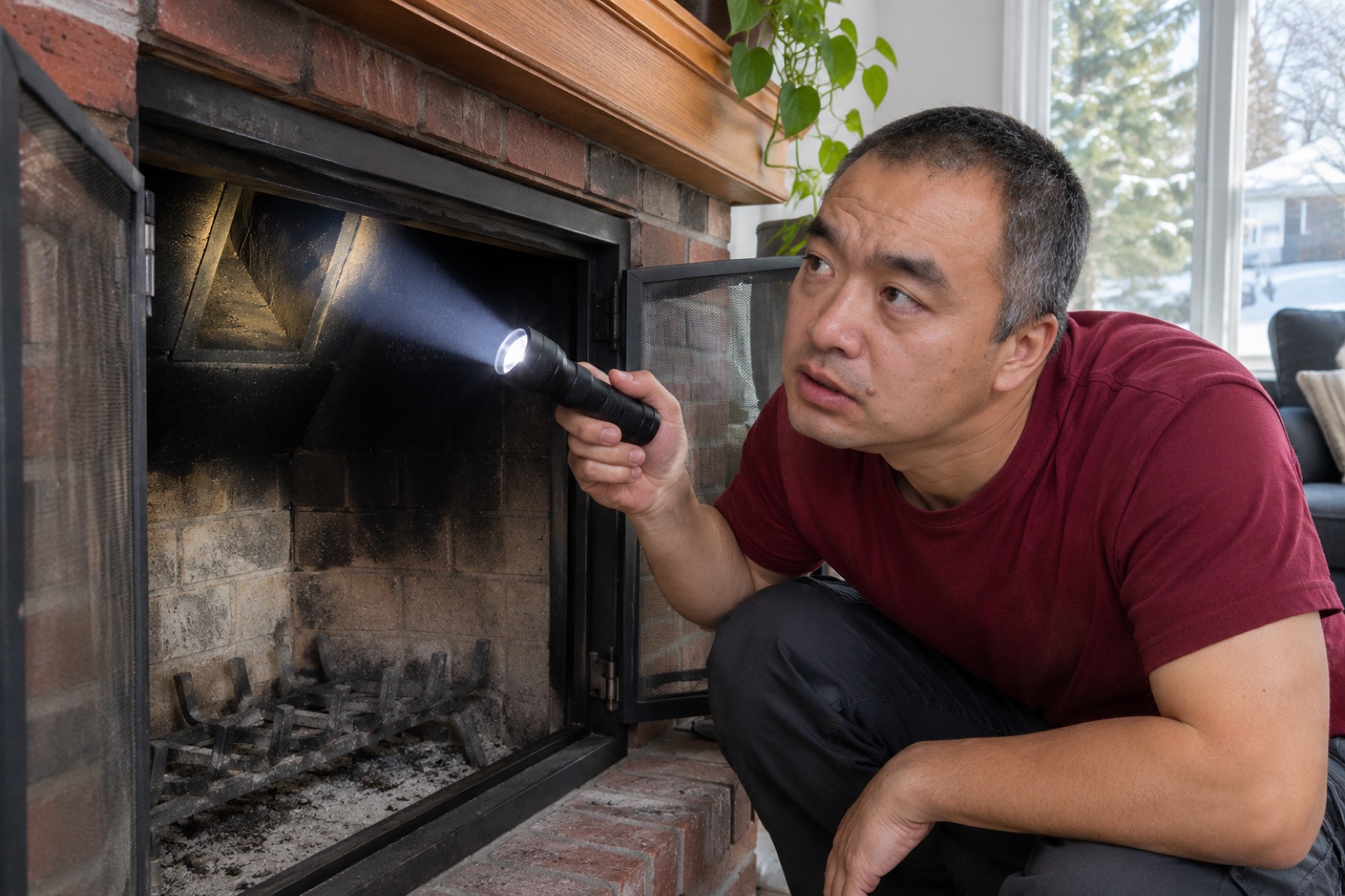
For gas fireplaces
- Turn it on and make sure it lights.
- Ask for service records. TSSA recommends having all fuel-burning appliances inspected every year by a TSSA-registered fuel contractor.
- Ask for paperwork. On one house Yifei handled, the seller left the gas log set in the garage and handed over the valve; the installer's name was on the invoice, still under warranty, and everything stayed with the house. Get those papers so future repairs are traceable.
What Yifei has seen
In 2022, on one of Yifei's deals, the WETT inspection failed: the wood fireplace wasn't up to code and couldn't be used. Fixing it or converting to gas was expensive either way. The buyer was disappointed; they had planned to use it as backup heat. If you're counting on a fireplace for heat, check before you make an offer.
In 2025, on another deal, the buyer's insurer asked whether the wood fireplace had a WETT inspection report. The seller's side said the fireplace was no longer in use, and Yifei never saw a report. If no one can produce one, assume there isn't one and price that in.
Insurers ask about more than fireplaces. In 2025 a buyer who skipped the home inspection needed the furnace and roof ages for insurance, so Yifei went to the house that evening: furnace made in 2011 and installed around 2015, roof from 2016. On a winter showing, snap a photo of the furnace label.
Yifei's own rule of thumb from experience: a 200-amp panel is best, 100 amps is fine, and many insurers are reluctant to cover 60 amps. White furnace vent pipes usually point to a newer furnace; black ones often mean an older unit you should budget to replace in the next few years. Your insurer and home inspector have the final word on coverage and furnace life.
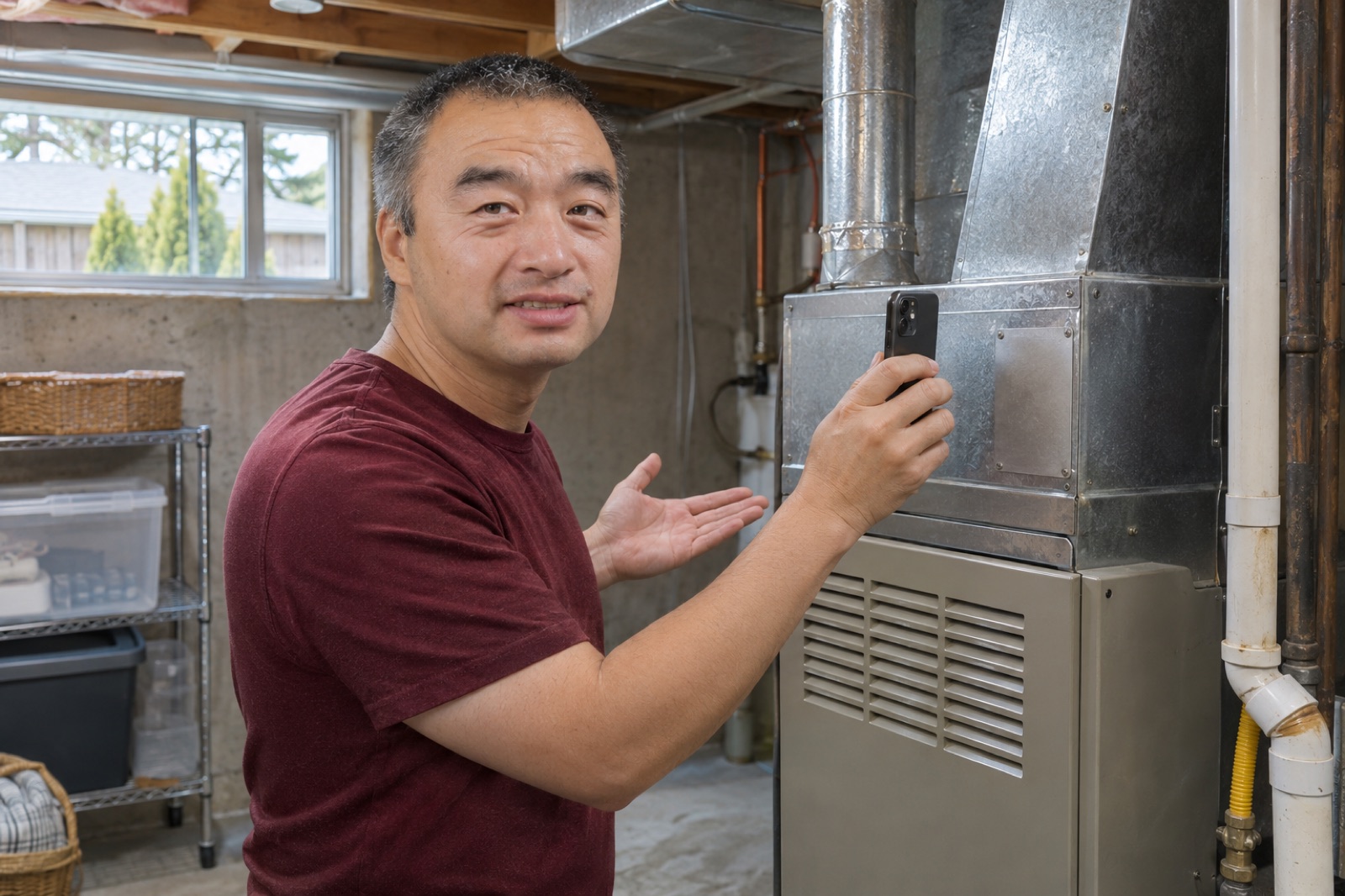
Fewer people view houses in winter, and the ones who do are mostly serious buyers. That gives you time to go through the fireplace, chimney and furnace one by one.
Frequently asked questions
What is WETT?
Wood Energy Technology Transfer, a Canadian non-profit that trains and certifies wood-energy professionals. Certified inspectors check fireplaces, stoves and chimneys and write a report; WETT itself doesn't issue certificates for houses.
Can I buy a house without a WETT report?
Yes. You can write a WETT inspection in as a condition of the offer, or build the cost of repairs or decommissioning into your price. Have your agent and lawyer handle the wording.
Do I need a CO alarm if the house has a fireplace?
Yes. Ontario's Fire Code requires CO alarms next to each sleeping area and, since 2026, on every storey in homes with a fireplace.
Want advice for your own situation?
The type of fireplace, the age of the house and whether you plan to heat with it all change what to check. Tell me about your situation and I'll tell you straight what to do. Reach Yifei (RE/MAX) at efay.ai.
Sources
- TSSA, Ontario Fire Code CO alarm requirements: https://www.tssa.org/changes-ontario-fire-code-new-requirements-co-alarms
- TSSA news release, annual inspection of fuel-burning appliances: https://newswire.ca/news-releases/it-s-not-just-your-furnace-be-in-the-know-when-it-comes-to-co-849958853.html
- WETT: https://wettinc.ca/about