What winter home maintenance does a house in Toronto or Niagara actually need?

Why just these three
Shingles, window seals and paint wear out in winter too, but slowly; most of that can wait for spring. Water, gas and snow can't. A burst pipe or a wet basement ruins floors the same day. A furnace or vent problem is a safety issue. And an uncleared sidewalk can mean a city fine, or a slip-and-fall claim against the owner.
1. Water: don't let it freeze, don't let it in
Outdoor taps and exterior-wall pipes
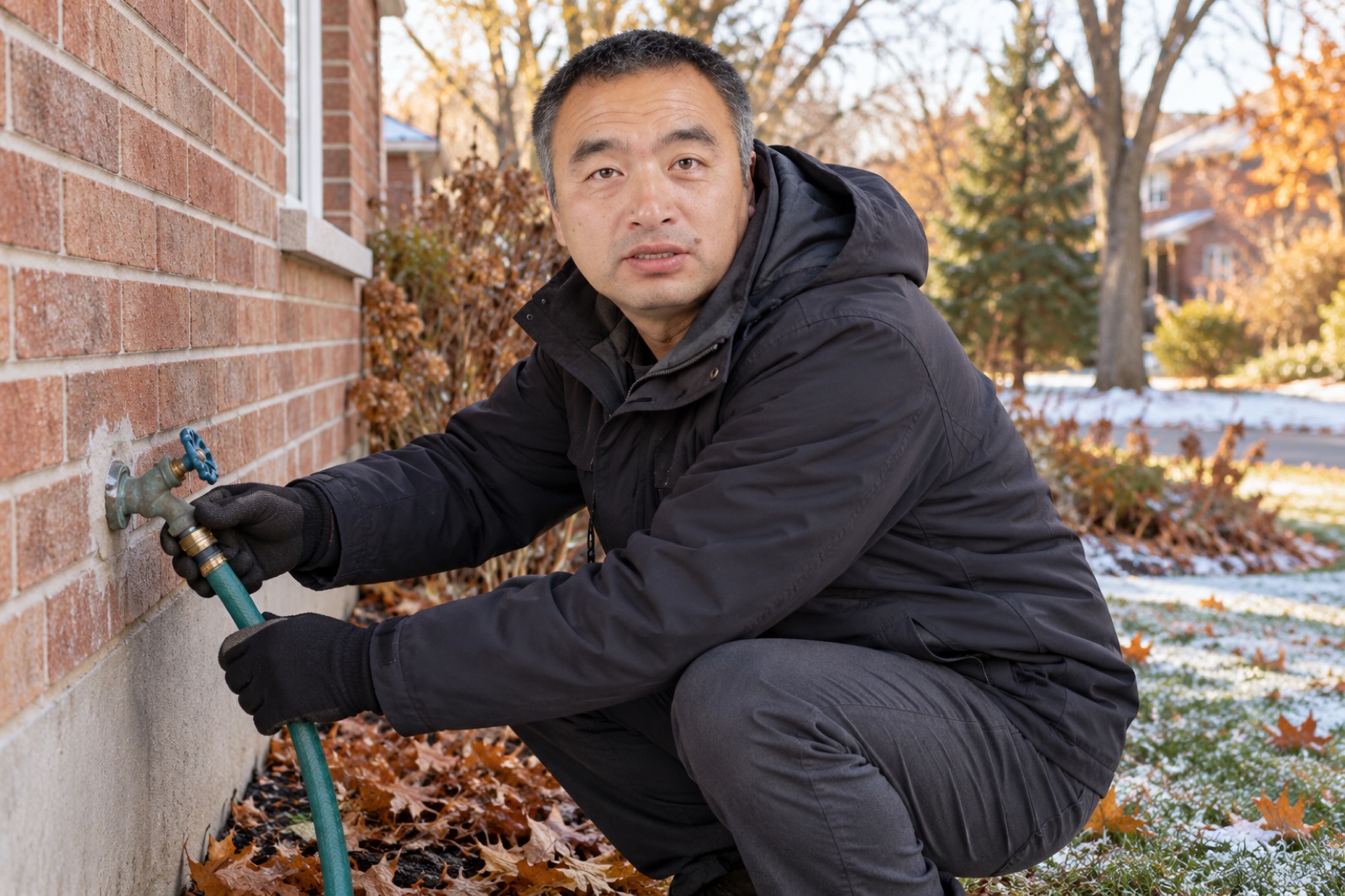
- Before the first hard frost, disconnect the garden hose. Water trapped in the tap freezes and can split the pipe inside the wall, and you won't see the leak until spring.
- In older homes, shut the indoor valve for the outdoor tap, then open the tap outside to drain it. Frost-free taps still need the hose removed.
- During cold snaps, open cabinet doors under sinks on exterior walls so warm air gets in.
- Don't turn the heat off when you travel. If you'll be gone for several days, check your home insurance; many policies have conditions for unoccupied homes, such as regular check-ins.
Eavestroughs
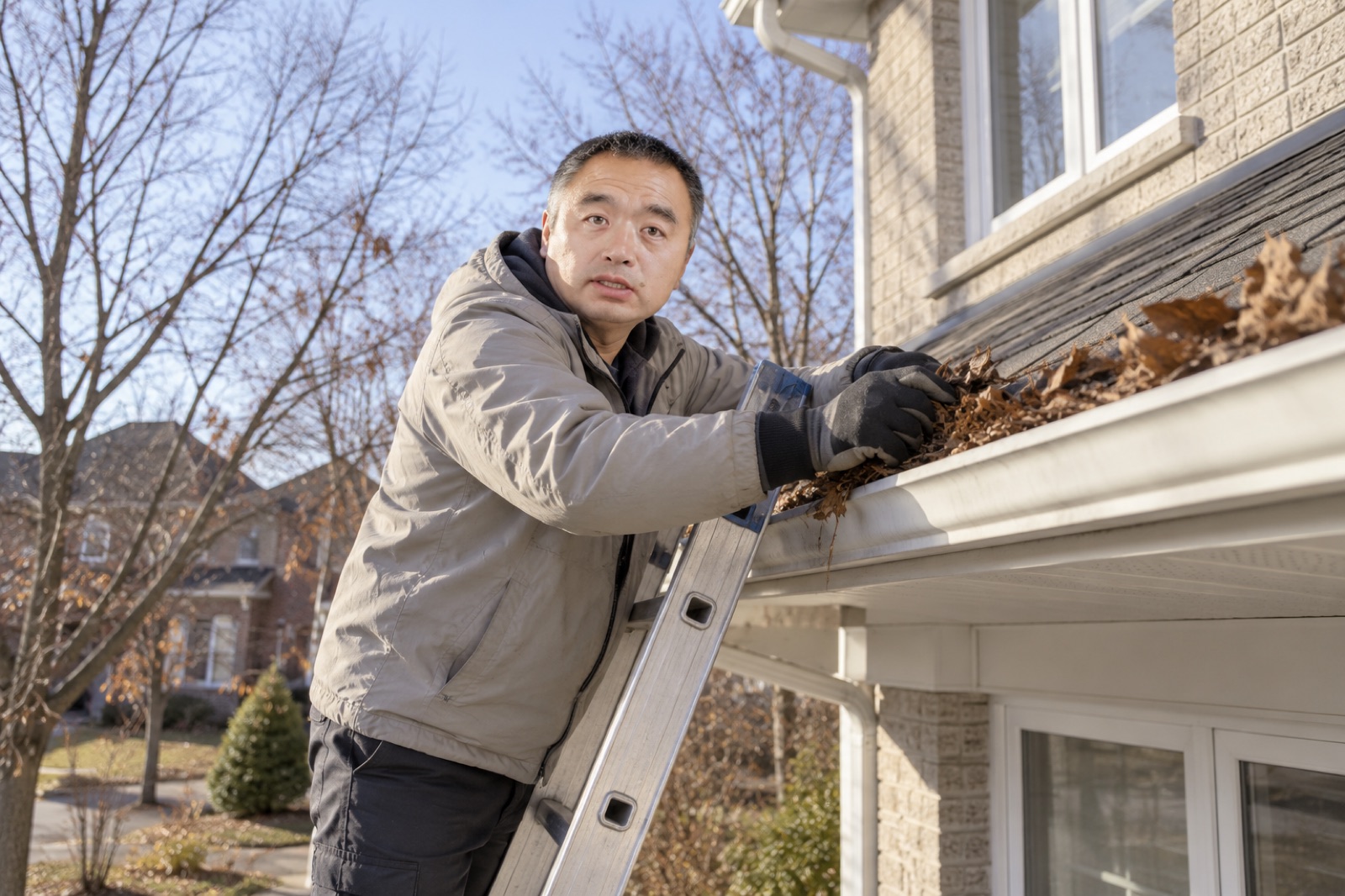
Once the leaves are down, clean the eavestroughs. When they're clogged, meltwater refreezes at the roof edge and builds an ice dam that pushes water back under the shingles. Make sure downspouts send water away from the foundation. Have someone hold the ladder, or hire it out for tall or steep roofs.
Sump pump
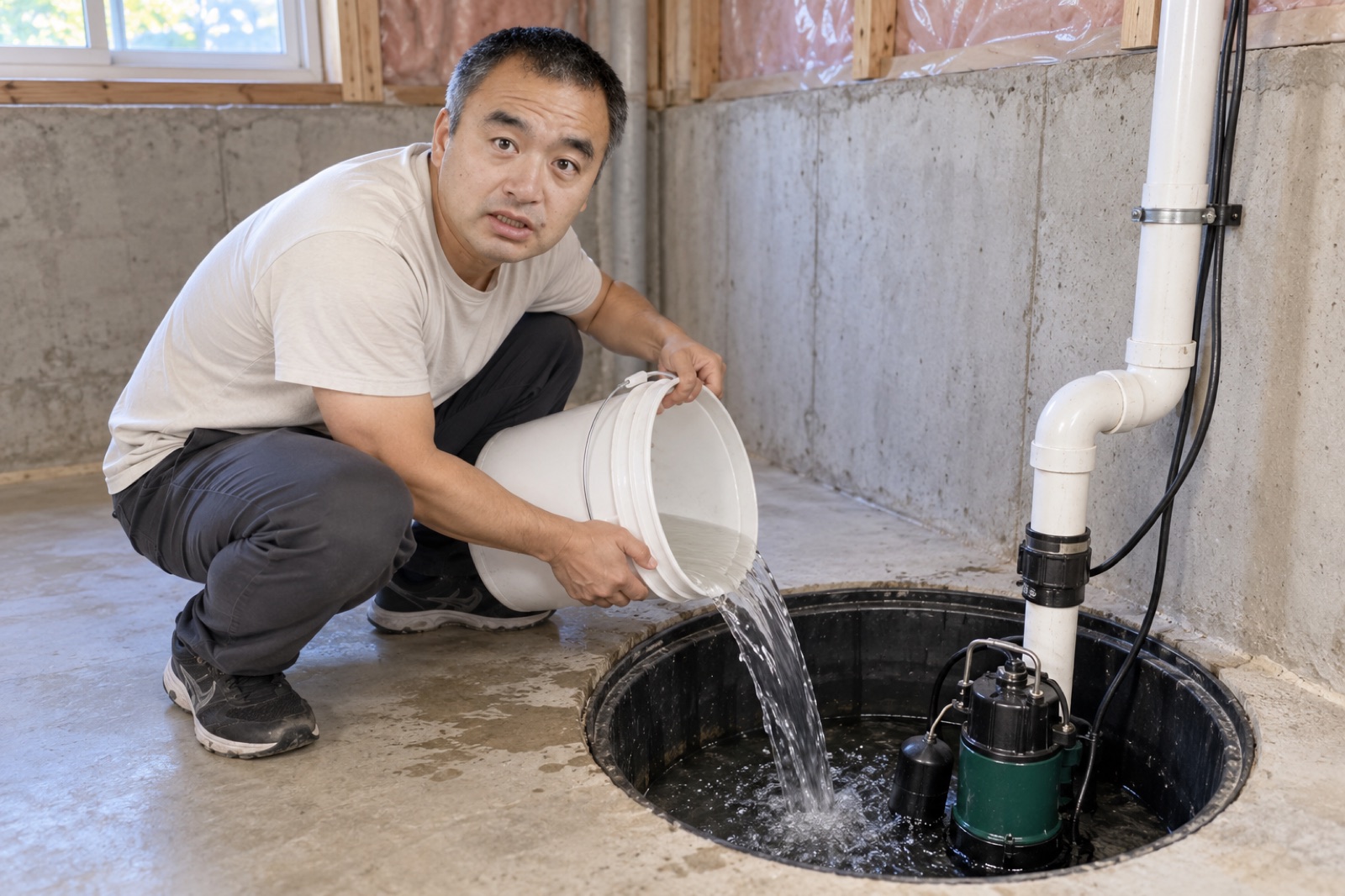
Pour a bucket of water into the sump pit and make sure the pump kicks on and clears it. The real test comes with the spring melt. Yifei's own basement flooded once because the pump couldn't keep up. Ask a plumber whether a battery backup or high-water alarm makes sense for your house.
2. Gas: keep the furnace healthy and CO going outside
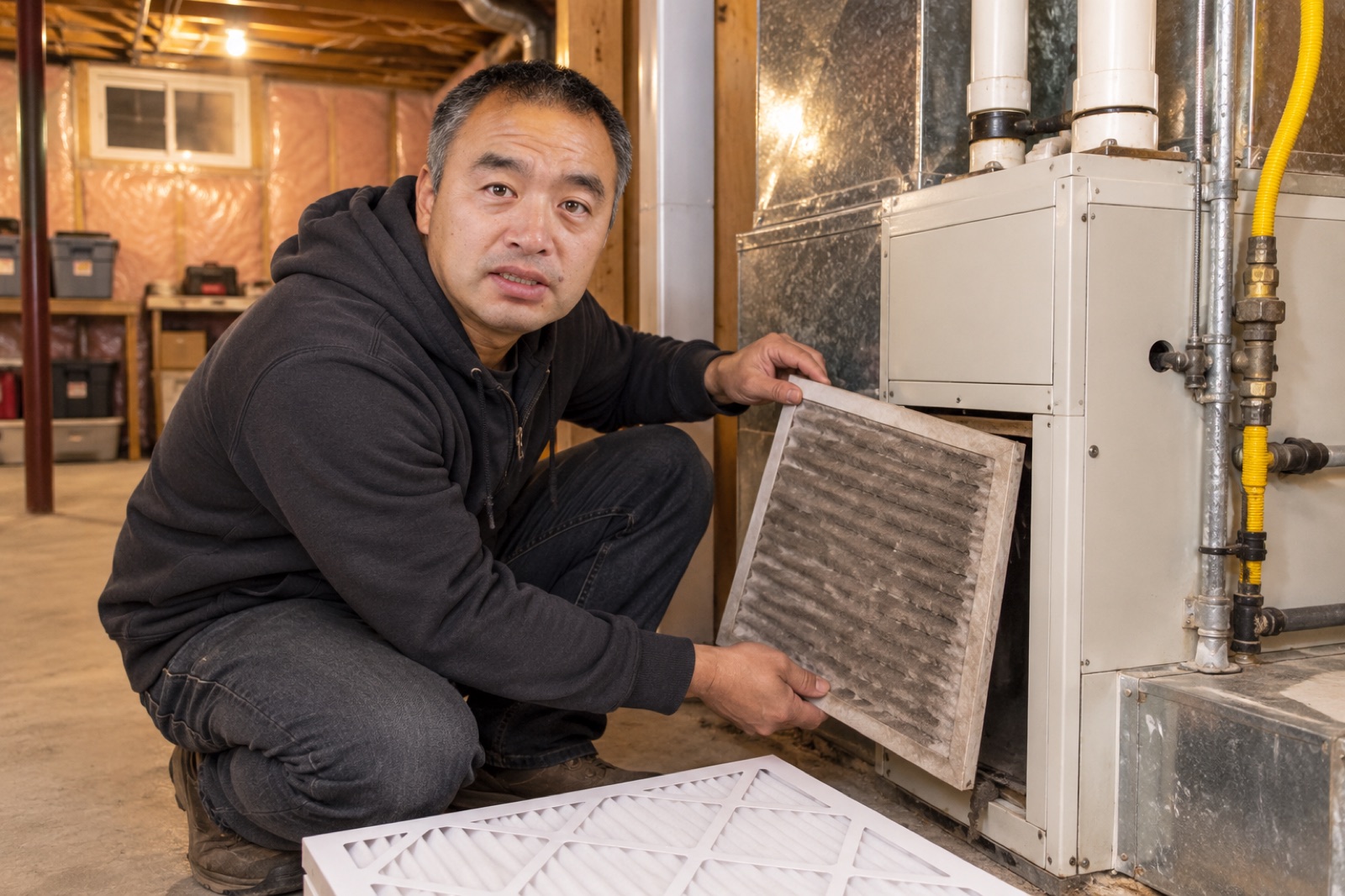
- Furnace filter: Canada's DND housing handbook suggests checking the filter monthly and replacing it about every three months, more often with pets or renovations.
- Annual inspection: TSSA recommends having fuel-burning appliances inspected every year by a TSSA-registered contractor, and says poor maintenance is the leading cause of home CO incidents.
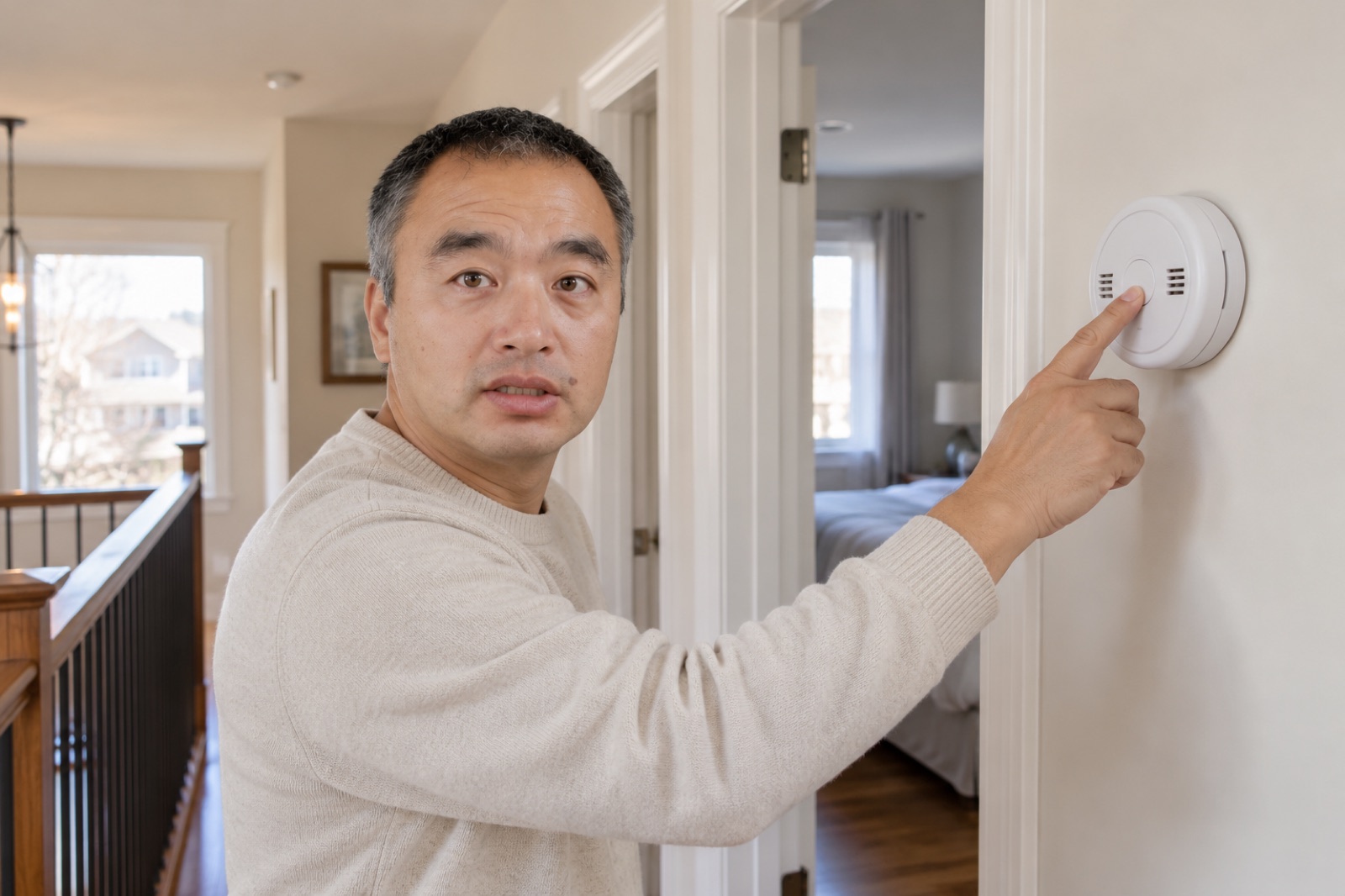
- CO alarms: Under Ontario rules, homes with a fuel-burning appliance, a fireplace or an attached garage need CO alarms outside each sleeping area, and since January 1, 2026, on every storey, including storeys without bedrooms. Ontario advises testing monthly, replacing batteries yearly, and replacing the alarm per the manufacturer.
- Meter and vents: Enbridge reminds customers to clear snow from the gas meter and appliance exhaust vents after every storm, using a soft broom, never a shovel. Blocked vents can push carbon monoxide back into the house.
- Humidity: Health Canada recommends keeping indoor relative humidity between 30% and 50%. Daily condensation on windows usually means it's too high. Run the bathroom fan 30 minutes after showers.
- Radon: Health Canada recommends a long-term test of at least 3 months on the lowest lived-in level, ideally in fall or winter. Take action at 200 Bq/m³ or above.

3. Snow: the sidewalk in front is the owner's job
Rules differ by city, so check yours. Two examples:
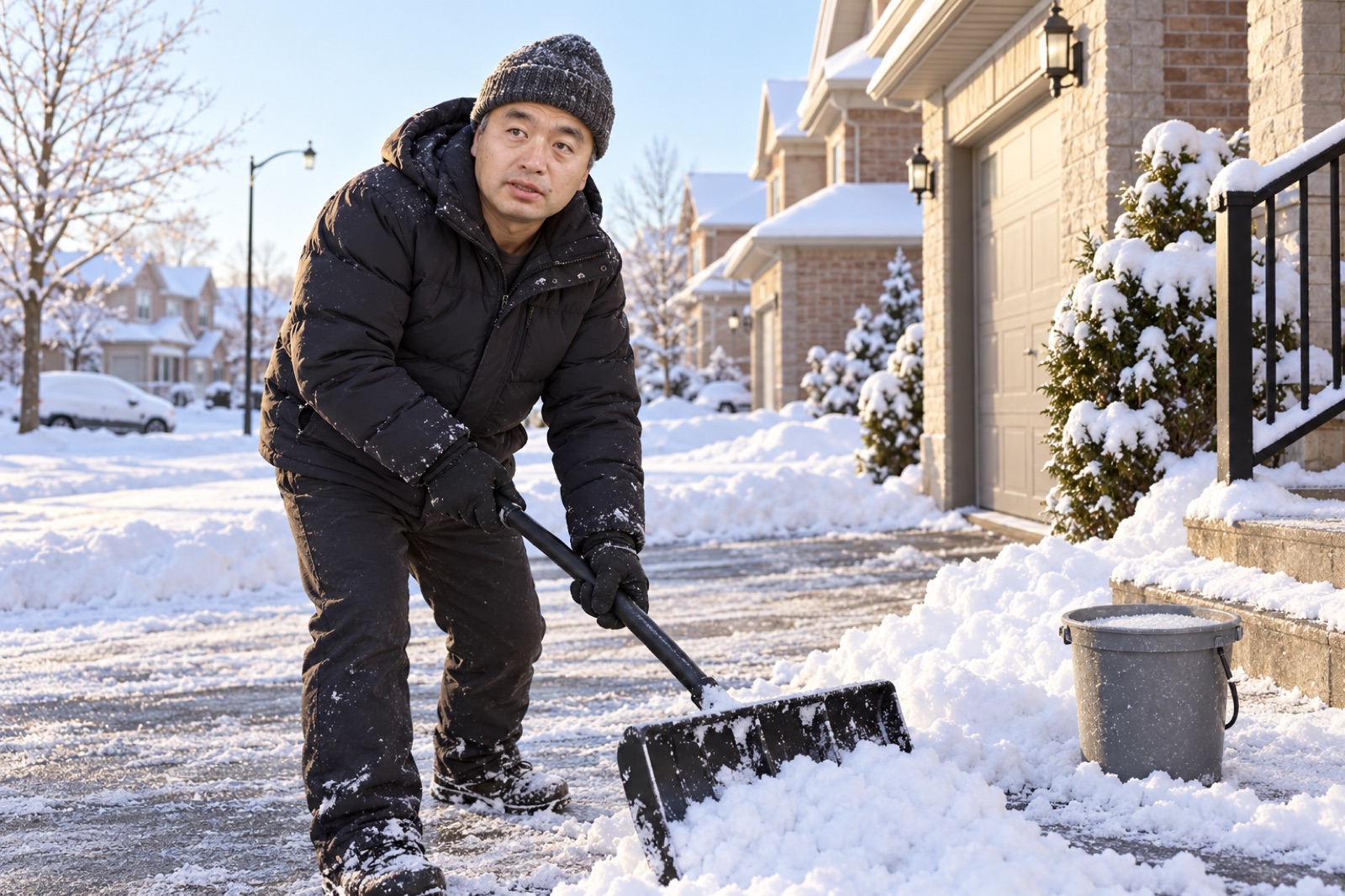
- St. Catharines: owners must clear the sidewalk at the front, side and rear of the property to bare pavement within 24 hours of a snow or ice event; fines are charged per metre not cleared. Owners with physical limitations can apply for city help.
- Toronto: the city clears most sidewalks mechanically; when snowfall is under 2 cm, residents and businesses must clear the sidewalk within 12 hours after the snow stops.
Salt or sand icy steps, knock down large icicles over doors and the gas meter, and remember that a slip on your property can lead to a claim against you; check your policy.
Winter maintenance checklist
Grouped by timing. Tap to tick items off as you go; your phone remembers where you left off.
November, before the freeze
December to February, monthly
After every big snowfall
Away for several days
March thaw
Selling this winter?
Buyers and home inspectors look at the same things: furnace age and service records, water marks in the basement, and whether the CO alarms are all there. Keep your receipts. For timing, see Should I wait until spring to sell in Niagara?
Frequently asked questions
Do Ontario homes have to have carbon monoxide alarms?
Yes, if the home has a fuel-burning appliance, a fireplace or an attached garage: outside each sleeping area, and since January 1, 2026, on every storey.
What indoor humidity is right in winter?
Health Canada recommends 30% to 50% relative humidity indoors.
How fast do I have to clear my sidewalk in St. Catharines?
Within 24 hours of a snow or ice event, to bare pavement, at the front, side and rear of the property. In Toronto, within 12 hours when snowfall is under 2 cm.
When is the best time to test for radon?
Fall or winter, with a long-term test of at least 3 months on the lowest lived-in level.
In one line
Handle water, gas and snow first; everything else can wait for spring.
Want advice for your own house?
The age of the house, whether it has a basement and what kind of furnace it runs all change the list. For your own situation, reach Yifei (RE/MAX) at efay.ai.
Sources
- Ontario, carbon monoxide safety: https://www.ontario.ca/cosafety
- Health Canada, moisture and mould: https://www.canada.ca/en/health-canada/services/publications/healthy-living/addressing-moisture-mould-your-home.html
- Health Canada, long-term radon test: https://www.canada.ca/en/health-canada/services/publications/health-risks-safety/radon-long-term-test-instructions.html
- DND housing handbook, indoor air quality: https://www.canada.ca/en/department-national-defence/services/benefits-military/military-housing/occupant-handbook/air-quality.html
- TSSA, carbon monoxide: https://www.tssa.org/carbon-monoxide-silent-killer-what-ontarians-need-know-winter
- Enbridge, keep meters and vents clear: https://enbridgegas.mediaroom.com/2025-02-14-PUBLIC-SERVICE-ANNOUNCEMENT-Enbridge-Gas-Reminds-Customers-to-Keep-Gas-Meters-and-Vents-Clear-of-Ice-and-Snow
- St. Catharines, sidewalk snow removal: https://www.stcatharines.ca/roads-parking-and-traffic/snow-removal/sidewalk-snow-removal/
- Toronto, sidewalk clearing: https://www.toronto.ca/services-payments/streets-parking-transportation/road-maintenance/winter-maintenance/sidewalk-clearing/